









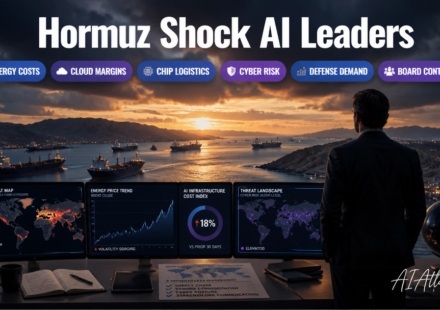
Hormuz Shock: Why AI Leaders Should Treat U.S.-Iran Escalation as an Immediate Supply Chain and Risk Pricing Event
We don’t treat the reported U.S. “self-defence” strikes near the Strait of Hormuz as a mere geopolitical footnote.

Shadow AI in Healthcare Is Not a Tool Problem — It Is a Governance ROI Problem
When Wolters Kluwer Health reports that nearly 40% of healthcare professionals have encountered institutionally unsanctioned AI in hospitals and health systems, we treat it less like a compliance headline and more like a market signal.
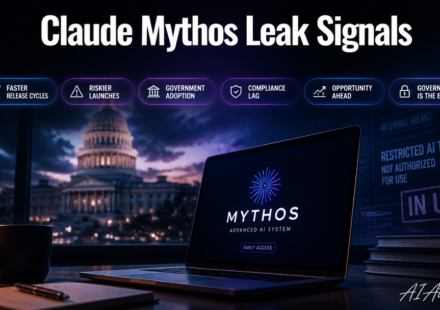
Claude Mythos Leak Signals a Faster Anthropic Launch Cycle — and a Messier Government AI Market
We see two linked developments that investors and founders are treating as separate stories, but they’re really one signal: frontier model release cycles are outrunning governance, while institutional demand keeps moving anyway.
Hormuz Is the Week’s AI Business Story, Whether Silicon Valley Admits It or Not
We treat the renewed threat of disruption around the Strait of Hormuz not as a distant energy headline, but as an immediate stress test for the commercial AI stack.
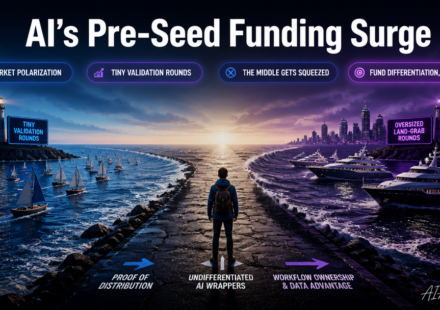
AI’s Pre-Seed Funding Surge Is Not a Boom — It’s a Survival Test
We read Carta’s Q1 2026 numbers as a warning sign, not a validation of broad startup strength.
AI’s Brain Drain: Why OpenAI’s $2.7B Talent Move Is Really a Compute, Product, and Distribution Bet
We have a simple editorial rule at AI Atlas News: don’t treat frontier AI talent moves as celebrity hiring.
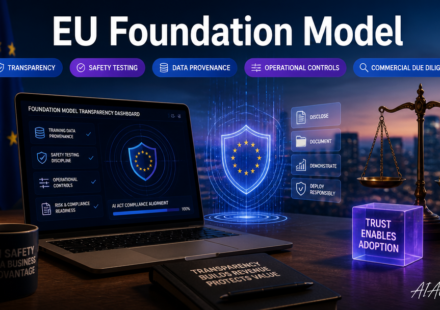
EU Foundation Model Transparency Rules Turn AI Safety Into a Commercial Due Diligence Test
We think the EU AI Office’s updated regulatory guidance—tightening foundation model disclosures on training data and safety testing—will be misread as mere paperwork.
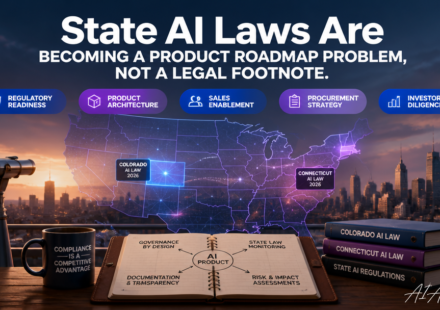
State AI Laws Are Becoming a Product Roadmap Problem, Not a Legal Footnote
We think the most important signal in Colorado and Connecticut’s May 2026 AI legislation isn’t what each statute says—it’s what the market will do next.
Anthropic’s Fable 5 Export Controls Turn AI Safety Into a Market Access Strategy
We think the reported government-forced shutdown, followed by the restoration of Anthropic’s Fable 5 under nationality-based access controls and strengthened safety classifiers, is not a one-off operational hiccup.
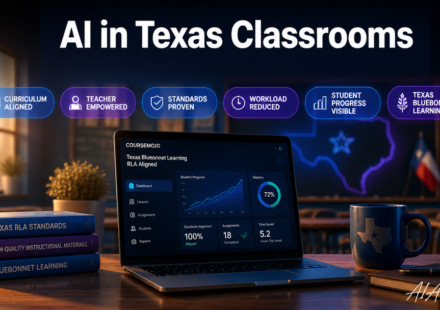
AI in Texas Classrooms Is Becoming a Curriculum Compliance Business, Not Just an EdTech Feature
Coursemojo’s announcement about aligning its machine-learning literacy platform with the Texas Bluebonnet Learning Reading Language Arts curriculum for grades 3–5 isn’t just a product update.